

If you’re a woman in your late 30s, 40s, 50s, or beyond, you’ve likely been told at some point that your labs are “normal.” Your thyroid is “fine.” Your hormones are “in range.” Your weight gain is “just aging.” Your fatigue is “stress.”
But here’s the problem: normal is not the same as optimal.
More and more women are discovering that they can fall squarely within standard lab ranges and still experience bothersome symptoms like exhaustion, brain fog, weight gain, anxiety, low libido, insomnia, hair thinning, and hot flashes. These symptoms are often dismissed as an unavoidable part of aging—but they may actually be signs of hormonal and thyroid imbalance that conventional testing fails to fully capture.
At the heart of modern functional and integrative women’s health is a simple but powerful idea: you deserve to feel good, not just be “normal.”
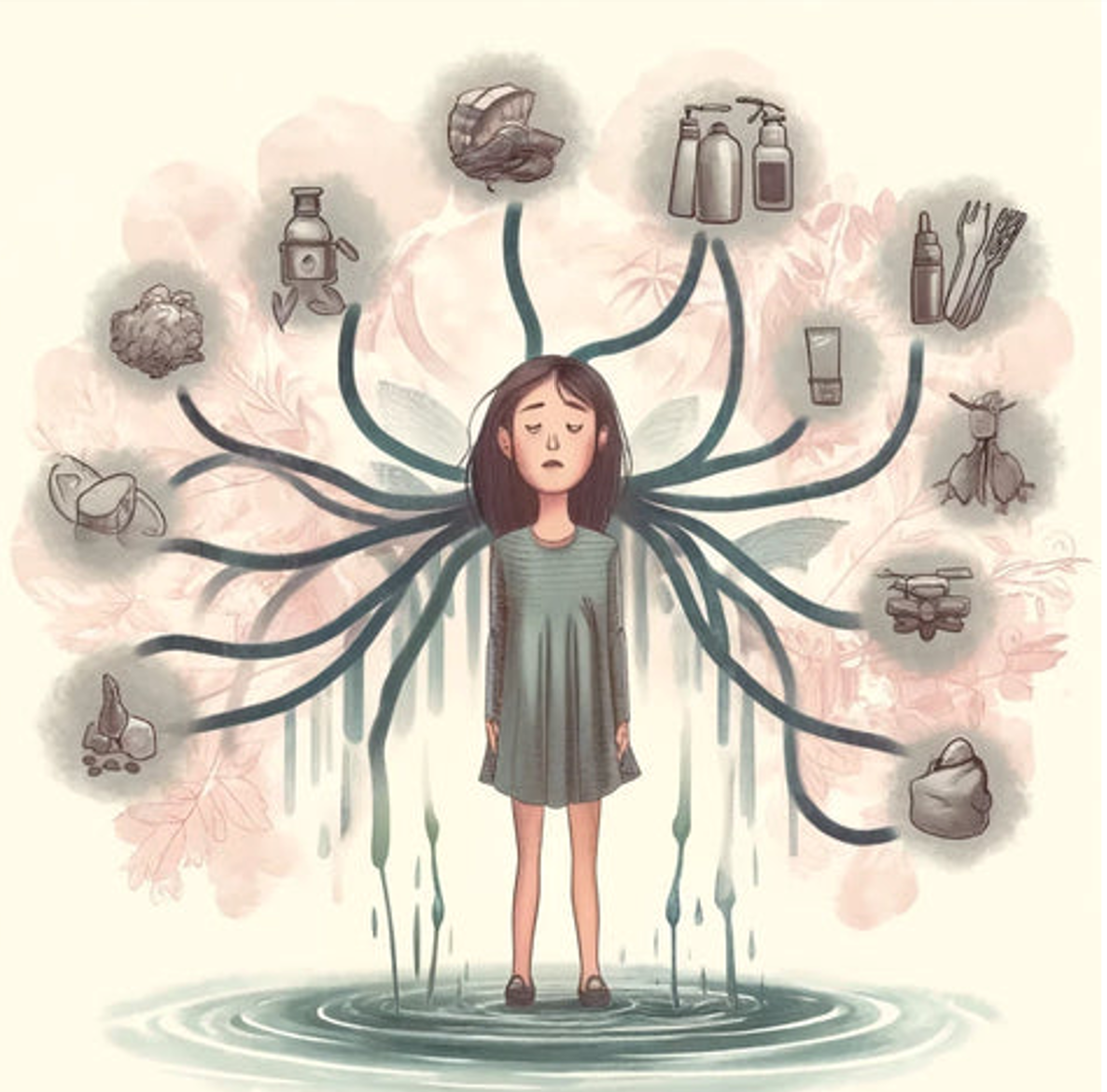
The Hidden Hormonal Shift No One Warns You About
For most women, hormonal change doesn’t happen overnight. It begins subtly in perimenopause, often in the late 30s or early 40s—and gradually progresses through menopause and beyond.
Estrogen, progesterone, testosterone, and thyroid hormones don’t simply “decline.” They fluctuate, become dysregulated, and lose balance with one another. This hormonal interplay is what creates many of the symptoms women struggle with long before they ever reach menopause.
Common symptoms include:
- Fatigue that sleep doesn’t fix
- Weight gain, especially around the midsection
- Mood swings, irritability, or anxiety
- Brain fog or difficulty concentrating
- Hair thinning or loss
- Low libido and vaginal dryness
- Poor sleep or waking at 2–4 AM
- Feeling “off,” even when labs are normal
Many women are told these changes are simply part of aging. But in reality, they are often signals of a deeper hormonal imbalance that can be evaluated and optimized.
Why “Normal” Lab Results Often Miss the Real Problem
Standard lab testing is designed to catch disease—not optimize wellness.
That means your results may look “fine” on paper while your body tells a completely different story.
For example, thyroid-stimulating hormone (TSH) may fall within the reference range, yet free T3—the active thyroid hormone responsible for energy production and metabolism—may be low-normal or inefficiently utilized at the cellular level.
This mismatch between labs and symptoms is one of the most common frustrations among aging women.
From a functional medicine perspective, the goal isn’t just to avoid disease. It’s to restore optimal function—energy, metabolism, cognition, and emotional stability.
Thyroid Health: The Overlooked Driver of Aging Symptoms
The thyroid gland plays a central role in how women feel day to day. It regulates metabolism, body temperature, energy production, and even mood stability.
When thyroid function becomes suboptimal—even if labs are “normal”—women may experience:
- Difficulty losing weight despite diet and exercise
- Constant fatigue or “wired but tired” feelings
- Cold intolerance
- Dry skin and brittle hair
- Sluggish digestion
- Low motivation or depression
One of the most overlooked aspects of thyroid health is conversion. Your body must convert T4 (storage hormone) into T3 (active hormone). Stress, nutrient deficiencies, inflammation, and perimenopausal hormone shifts can all impair this conversion.
This means that even if your thyroid is “producing enough,” your cells may not be receiving the signal effectively.
Estrogen, Progesterone, and the Perimenopause Imbalance
While thyroid issues are often missed, estrogen and progesterone imbalance is even more common in aging women.
During perimenopause, progesterone often declines earlier and more rapidly than estrogen. Progesterone and and estrogen are sister hormones that balance each other out. This creates a state often referred to as “estrogen dominance”—not necessarily because estrogen is high, but because it is not adequately balanced out by sufficient progesterone levels.
This imbalance can contribute to:
- Anxiety or panic symptoms
- Heavier or irregular periods
- Breast tenderness or swelling
- Sleep disturbances
- Irritability or emotional sensitivity
- Fluid retention and bloating
Eventually, estrogen itself also declines, leading to classic menopause symptoms like hot flashes, vaginal dryness, and bone density loss.
But these transitions don’t have to mean suffering. They can be supported and optimized.
Hormone Optimization vs. Hormone Replacement: What’s the Difference?
Traditional hormone replacement therapy (HRT) often focuses on replacing hormones to alleviate symptoms.
Hormone optimization takes a broader, more individualized approach.
Instead of asking “Are you within range?”, the focus becomes:
- How do you feel?
- How is your energy, sleep, mood, and metabolism?
- What does your full hormonal panel show—not just one marker?
- How are your hormones interacting with each other?
Many women may benefit from bioidentical hormone replacement therapy (BHRT), which uses hormones structurally identical to those produced by the body. Others may need thyroid support, adrenal regulation, nutrient optimization, or lifestyle interventions to restore balance.
The goal is not to force hormones into a textbook range—but to restore function and vitality.
The Role of Stress, Cortisol, and the Aging Hormonal System
One of the most overlooked drivers of hormonal dysfunction in aging women is chronic stress.
Cortisol, the body’s primary stress hormone, directly impacts thyroid function, sex hormone balance, blood sugar regulation, and sleep quality.
When cortisol remains elevated for long periods, it can:
- Suppress progesterone production
- Impair thyroid conversion (T4 → T3)
- Increase abdominal fat storage
- Disrupt sleep cycles
- Increase anxiety and emotional reactivity
This is why two women with similar lab results can feel dramatically different—because stress physiology matters just as much as hormone levels.
What Optimization Actually Feels Like
When hormones and thyroid function are truly optimized—not just “in range”—women often report profound changes such as:
- Steady, natural energy throughout the day
- Improved mental clarity and focus
- Easier weight management
- Deeper, more restorative sleep
- Balanced mood and emotional resilience
- Return of libido and sense of vitality
- Feeling “like yourself again”
Importantly, this isn’t about reversing aging. It’s about restoring function so aging feels better, not harder.

Taking the Next Step Toward Feeling Like Yourself Again
If you’ve been told everything is normal but you still don’t feel well, you are not imagining it—and you are not alone.
Aging does bring hormonal shifts, but suffering is not inevitable. With comprehensive evaluation, individualized care, and a focus on optimization rather than minimum thresholds, it is possible to dramatically improve quality of life at every stage of midlife and beyond.
Because “normal” was never meant to be the finish line.
Optimal is.
Struggling with symptoms of hormone imbalance or perimenopause? You’re not alone—and you have options.
- Take our Complimentary Hormone Quiz to identify potential imbalances
- Schedule your Complimentary 10-minute Phone Consultation with Dr. Laurel Ash at Ageless Beauty Rx
Get expert insight, personalized recommendations, and a clear path toward feeling like yourself again.
Elevate how you feel—naturally… Your most vibrant self is waiting.
Ageless Beauty Rx
7700 NE Greenwood Dr., Suite 120
Vancouver, WA 98662
Phone: (360) 597-2688
Website: agelessbeautyrx.com